The Pleiades, also known as the Seven Sisters, are a fascinating star cluster that has captured the attention of stargazers for thousands of years. This celestial wonder appears as a compact group of stars, often described as a tiny dipper, and its ethereal glow has inspired countless myths and legends across different cultures.
The Mythical Seven Sisters
The Pleiades have a rich mythological background. In Greek mythology, they were the seven daughters of the Titan Atlas and the sea nymph Pleione. According to the myth, the sisters were transformed into stars to escape the hunter Orion, who continues to pursue them across the sky. Variations of this story appear in many other cultures, from the Navajo to the Māori, each with its own unique legends associated with this star cluster.
Astronomical Significance
Located in the constellation of Taurus, the Pleiades are one of the closest star clusters to Earth, around 440 light-years away. They are also among the nearest and most striking clusters visible to the naked eye. The cluster contains hundreds of stars, although only six or seven are usually visible without a telescope, giving rise to the name “Seven Sisters.”
Seasonal Appearance
The appearance of the Pleiades in the night sky has traditionally marked the changing of the seasons. Their rise in the autumn sky signals the approach of winter in the Northern Hemisphere. This timing made them particularly important to agricultural societies, as they served as a reference for preparing for the colder months.
Observing the Pleiades
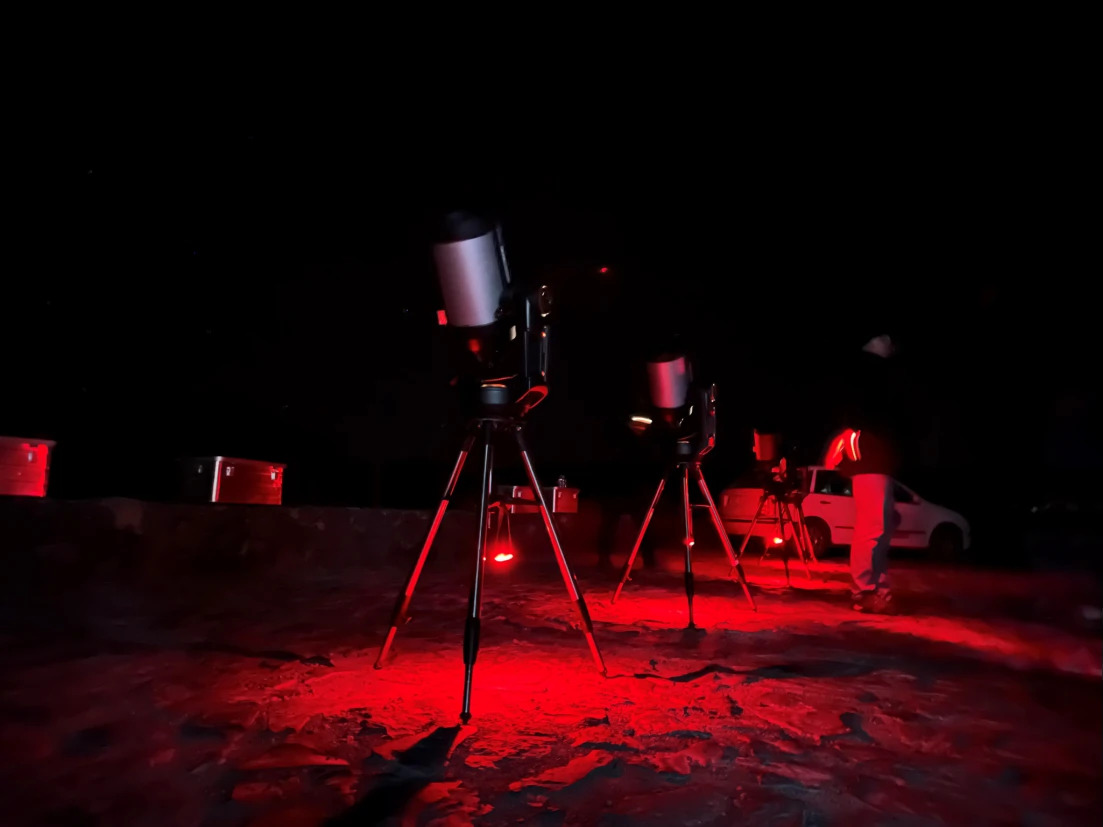
In Tenerife, the Pleiades offer a spectacular sight under clear, dark skies, especially between October and April. Observing them from places such as Teide National Park can make the experience even more impressive, as the high altitude and minimal light pollution provide excellent conditions for stargazing.
Best Times to Observe Them
- Autumn: the Pleiades begin to rise in the evening sky, offering excellent viewing conditions.
- Winter: the cluster remains visible for much of the night, allowing for longer observation periods.
Tips for Observing the Pleiades
- Find a dark-sky location: Teide National Park is ideal thanks to its altitude and low levels of light pollution.
- Use binoculars or a telescope: although the Pleiades are visible to the naked eye, binoculars or a telescope can reveal many more stars within the cluster.
- Check the weather forecast: clear skies are essential for the best viewing experience, so make sure to check the conditions before heading out.
If you would like more tips, we recommend our guide to stargazing on Mount Teide.
 The Pleiades in Modern Astronomy
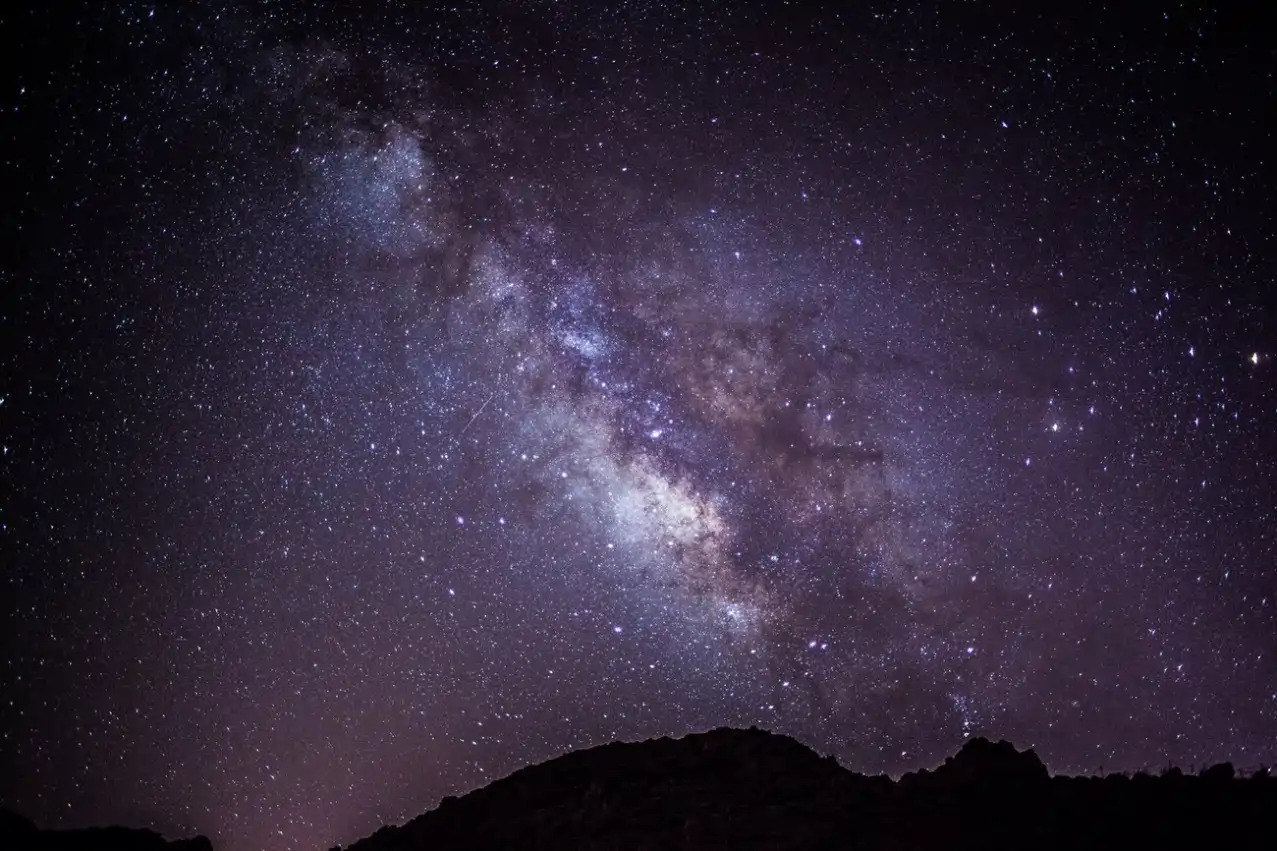
Modern astronomy continues to study the Pleiades to better understand star formation and stellar evolution. The cluster is relatively young, around 100 million years old, and its stars are mainly hot, blue and white stars, a characteristic associated with their youth.
Spectral Analysis
Using spectroscopy, astronomers can analyse the light from the Pleiades to determine the composition, temperature and velocity of their stars. This data helps scientists understand not only the Pleiades themselves, but also star clusters in general.
Infrared Observations
Infrared observations have revealed that the Pleiades are surrounded by a faint nebulous region, suggesting that the cluster is moving through a dense cloud of interstellar dust.
With their extraordinary beauty and rich history, the Pleiades remain one of the most beloved sights in the night sky. Whether you are an experienced astronomer or simply enjoy looking at the stars, observing the Seven Sisters is an experience that connects ancient myths with the wonders of the universe.
Join Teide By Night for a stargazing excursion that brings you closer to this fascinating celestial sight. Ready to discover the magic of the Pleiades? Book your stargazing tour with Teide By Night and explore Tenerife’s night sky like never before.