Spain offers some of the most breathtaking opportunities for stargazing in Europe. Thanks to a unique combination of favourable weather, low light pollution and diverse landscapes, the country is home to several internationally renowned places to observe the universe. From volcanic plateaus to high-altitude observatories, these are some of the best places to experience the wonders of the night sky in Spain.
Why Spain Is a Top Stargazing Destination
Exceptional Climate and Geography
Spain enjoys clear skies for much of the year, especially in its southern regions and the Canary Islands, making it one of Europe’s leading astrotourism destinations. Thanks to its wide variety of elevations and landscapes — from mountains to desert-like plateaus — the country offers excellent conditions for astronomy.
Areas with Low Light Pollution
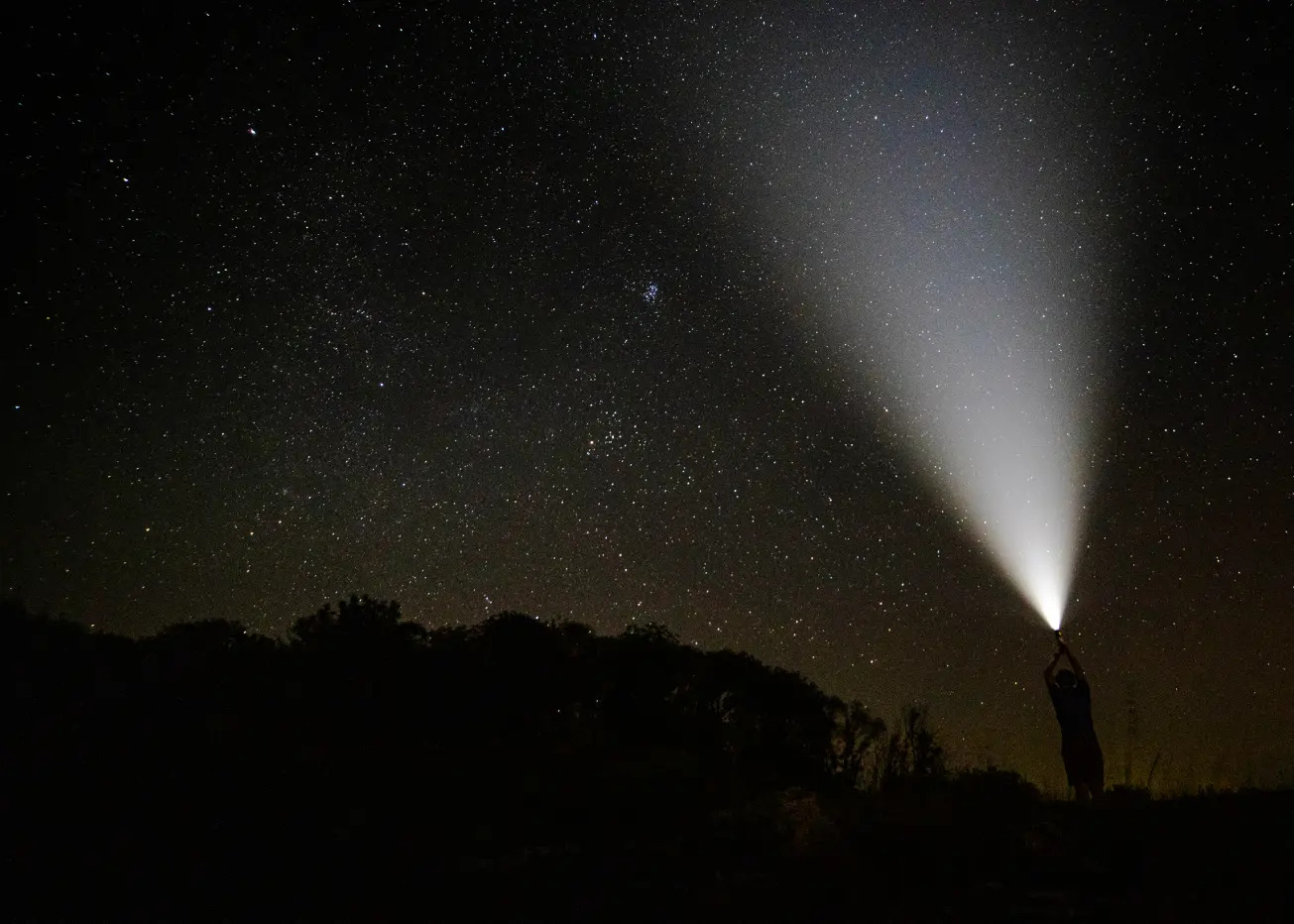
Spain is home to many places with very low levels of light pollution, particularly in officially recognised Starlight Reserves. These protected areas provide excellent visibility for observing the sky and offer spectacular views for both amateur stargazers and astronomers.
Top 5 Stargazing Locations in Spain
1. Teide National Park, Tenerife (Canary Islands)
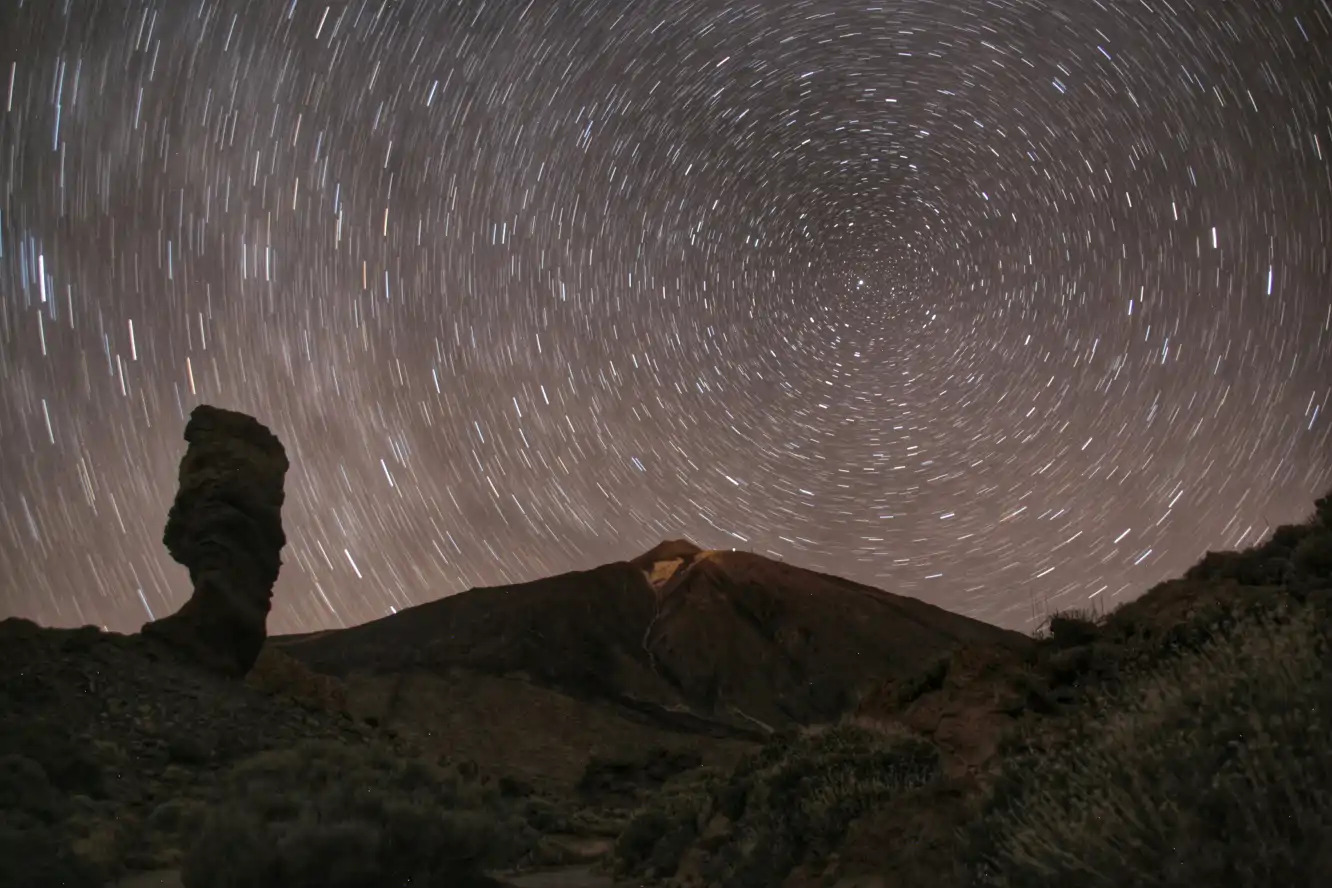
Teide National Park is not only a UNESCO World Heritage Site, but also one of the world’s most renowned stargazing destinations. Located at more than 2,000 metres above sea level, Las Cañadas del Teide offers pristine skies and exceptional views of the universe. Recognised as a Starlight Destination, the park is ideal for observing meteor showers, constellations and even distant celestial objects. Teide By Night guides offer complete stargazing experiences with telescopes and expert explanations.
2. Roque de los Muchachos, La Palma
High on the island of La Palma in the Canary Islands lies Roque de los Muchachos, home to one of the world’s most important astronomical observatories. Thanks to regulations limiting artificial lighting, La Palma enjoys some of the clearest night skies in the Northern Hemisphere. Visitors can observe deep-sky objects with exceptional clarity, and guided visits are also available for those interested in discovering professional astronomical facilities.
3. Sierra de Gredos, Ávila
Located in central Spain, Sierra de Gredos is a favourite destination for both hikers and astronomy enthusiasts. The area holds Starlight certification and offers panoramic views of the Milky Way from locations such as Parador de Gredos and Puerto del Pico. Its combination of natural beauty and stargazing makes it an excellent ecotourism destination.
4. Monfragüe National Park, Extremadura
Known for its rich biodiversity and impressive cliffs, Monfragüe National Park is also a paradise for stargazers. Its remote location means that light pollution is very limited, making it an excellent place to observe meteor showers such as the Perseids. Nature lovers can combine daytime birdwatching with a night spent under the stars for a truly rewarding experience.
5. Calar Alto Observatory, Almería
Calar Alto is one of the leading astronomical observatories in mainland Europe. Located at 2,168 metres above sea level in the Sierra de los Filabres, it enjoys more than 200 clear nights per year. Visitors can book guided tours that offer a fascinating insight into modern astronomy, along with outstanding views of the night sky.
Best Time of Year for Stargazing in Spain
Summer Months: July-August
Summer is an excellent time for stargazing in Spain, especially for watching meteor showers such as the Perseids. Pleasant temperatures and long observing sessions make it easier to enjoy the night sky in comfort.
Winter Skies: December-February
Although temperatures are colder, winter nights can provide some exceptionally clear skies. Under favourable atmospheric conditions, constellations and planets can be seen particularly well, especially from high-altitude locations such as the Canary Islands.
What You Need for an Unforgettable Stargazing Experience
Essential Items to Bring:
- Red flashlight: preserves your night vision without disturbing other observers.
- Warm clothing: even summer nights can become cold at high altitude.
- Reclining chair or blanket: for maximum comfort while looking up at the sky.
- Snacks and water: to stay hydrated and energised throughout the experience.
- Star chart or mobile app: helps you identify constellations and planets.
Book a Guided Stargazing Tour
For a more complete experience, consider joining a guided stargazing tour. Teide By Night offers a carefully organised excursion including transport, dinner, professional telescopes and fascinating explanations about the night sky.
Frequently Asked Questions About Stargazing in Spain
Do I Need a Telescope?
No. Many celestial phenomena, including shooting stars and constellations, can be enjoyed perfectly well with the naked eye. However, a telescope or guided tour can greatly enrich the experience.
Is It Safe to Stargaze in Remote Locations?
Yes, but always check the weather forecast, take the necessary supplies and let someone know where you are going. A guided tour can provide additional safety and convenience.
Can I Stargaze All Year Round?
Absolutely. Although certain times of year offer better conditions for specific astronomical phenomena, Spain’s diverse geography makes year-round stargazing possible.
Whether you are an experienced astronomer or simply curious about the night sky, Spain offers some of the finest stargazing experiences in Europe. From the volcanic landscapes of Tenerife to the observatories of La Palma, the stars are closer than you might think. Grab your telescope or book an experience with Teide By Night and let the universe reveal its magic.
Don’t miss the opportunity to admire the cosmos beneath some of Europe’s darkest skies.